
Loader shovel: uses, types, and differences on the job site
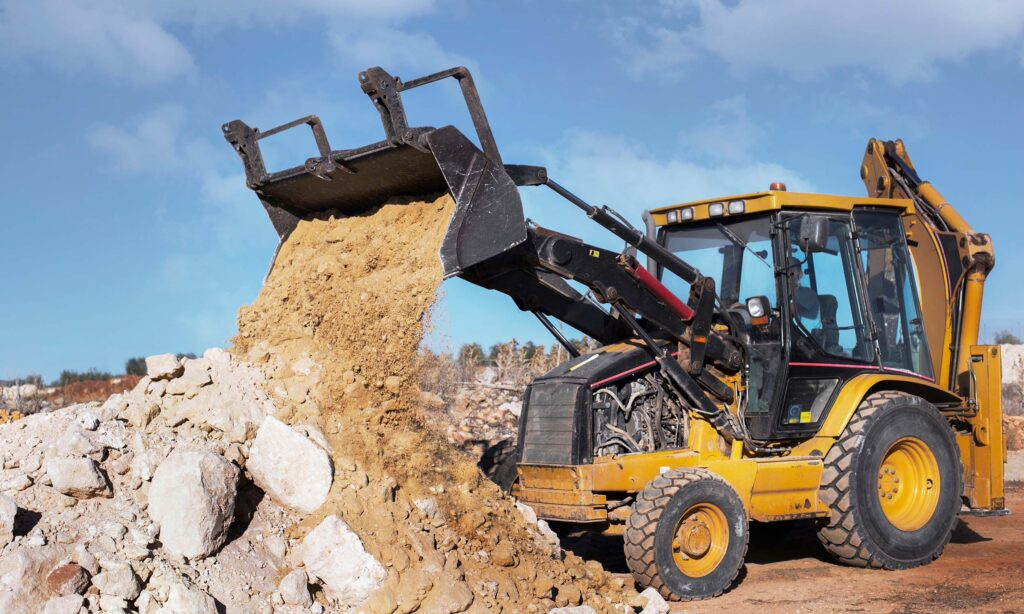
The wheel loader is one of the most widely used machines on construction sites due to its ability to move large quantities of material quickly. This type of front loader is designed to work in repetitive loading and unloading cycles, making it a key machine in construction. Understanding what a wheel loader is used for, […]
Heavy machinery on construction sites: types, uses, and applications
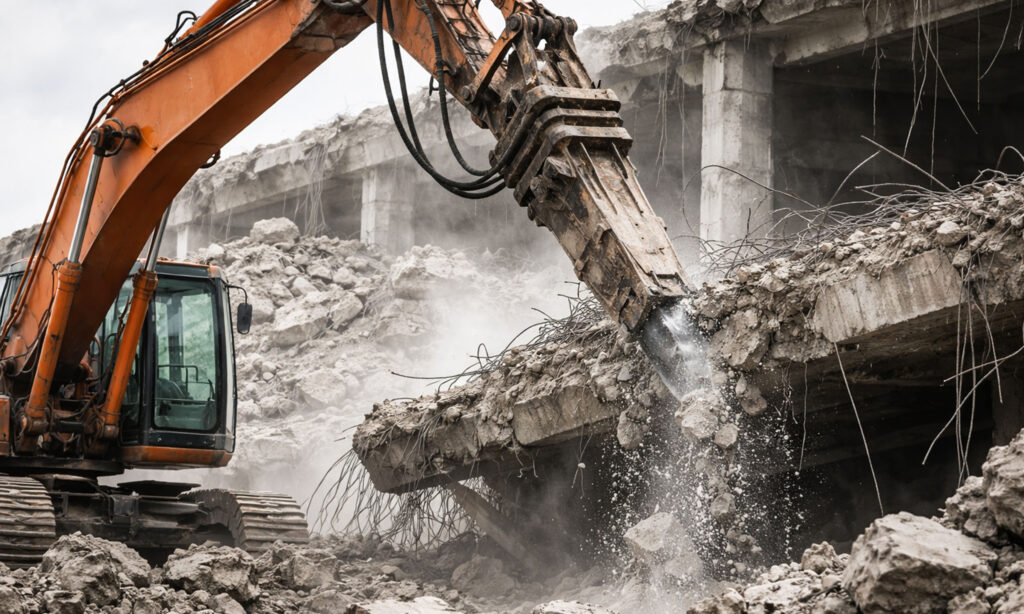
Heavy machinery is one of the fundamental pillars of the construction industry. Its use allows complex jobs to be carried out efficiently and safely, optimizing time, costs, and resources. Knowing the types of heavy machinery used on site helps you choose the right construction machine for each project. What is meant by heavy machinery Heavy […]
Public works vs. civil engineering: key differences and examples
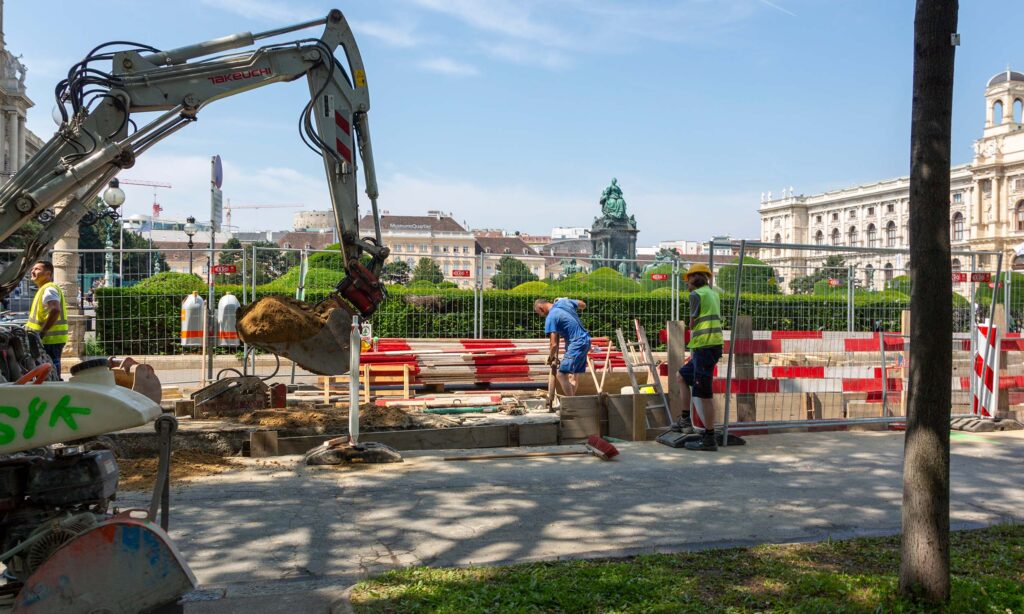
Within the construction sector, it is common to find confusion between the concepts of public works and civil works. Both are closely related to infrastructure construction and different types of construction projects, but they do not have exactly the same definition. Understanding their differences is key for construction companies, technicians, and professionals involved in technical […]
Maquinaria para construcción modular: equipos clave

Modern modular construction requires machinery capable of working with precision, power, and efficiency. Today, modular homes are no longer a complementary alternative: they are part of the construction industry as a fast, safe, and sustainable solution. To achieve precise installations, complex load movements, and error-free site preparation, professional civil engineering machinery and specialized equipment are […]
Predictive maintenance in heavy machinery and civil engineering
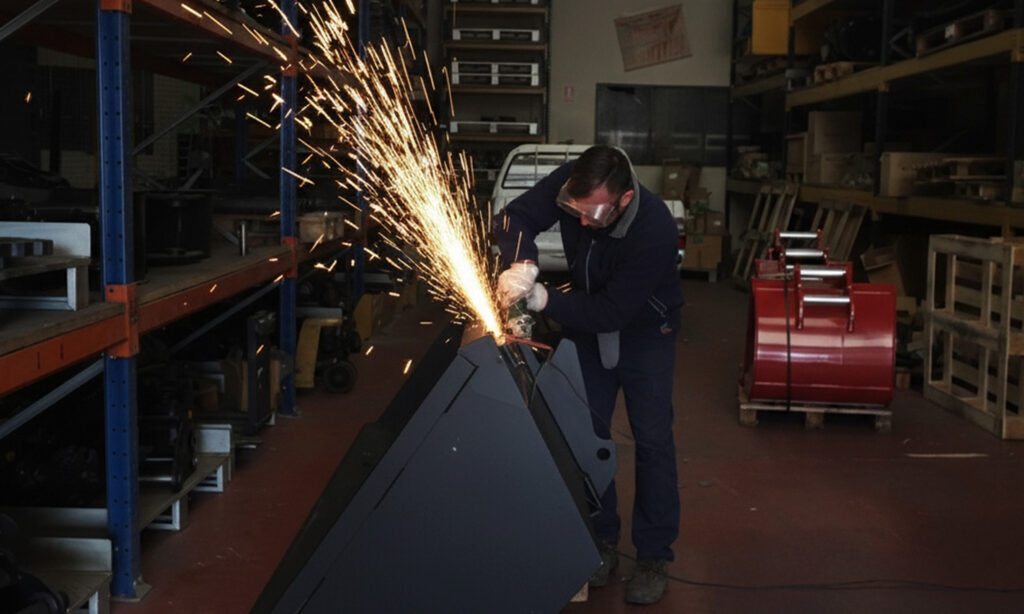
Heavy machinery has become the backbone of any modern civil engineering project. Excavators, hydraulic hammers, backhoes, compactors, and demolition equipment operate under extreme conditions that demand reliability, precision, and continuity. In this context, predictive maintenance and smart spare parts are transforming the way companies manage different types of civil engineering machinery. Digitization, Industry 4.0, the […]
Guide to choosing the right hydraulic pointer
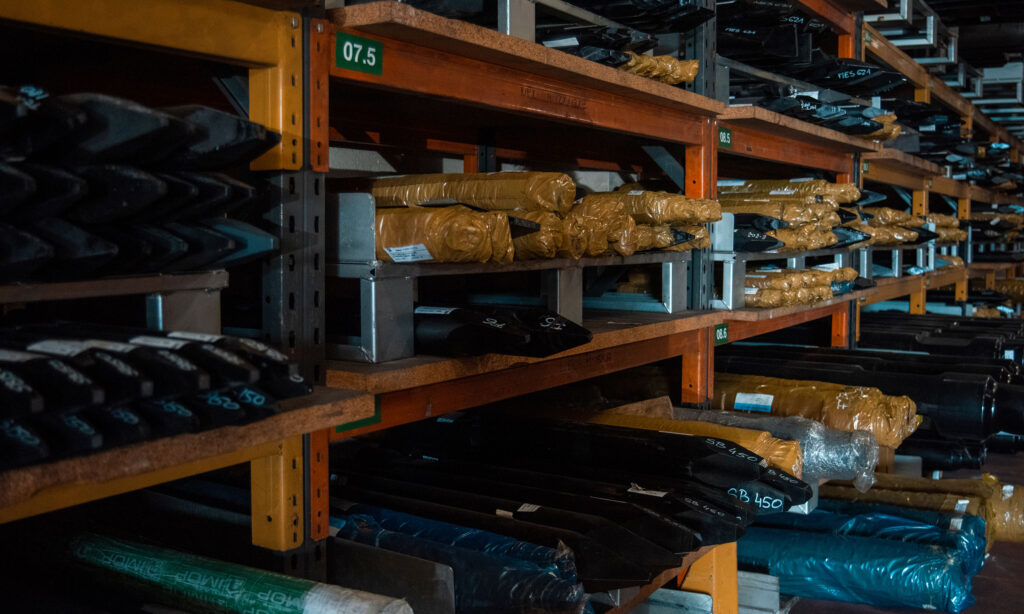
The pointer for hydraulic hammers is an impact tool made of high-strength steel that attaches to the end of the machine. Its function is to transmit the force of the hammer directly to the material, allowing surfaces such as rock, concrete, or asphalt to be broken, cut, or drilled with precision and power. Choosing the […]
Preventive maintenance on demolition machinery
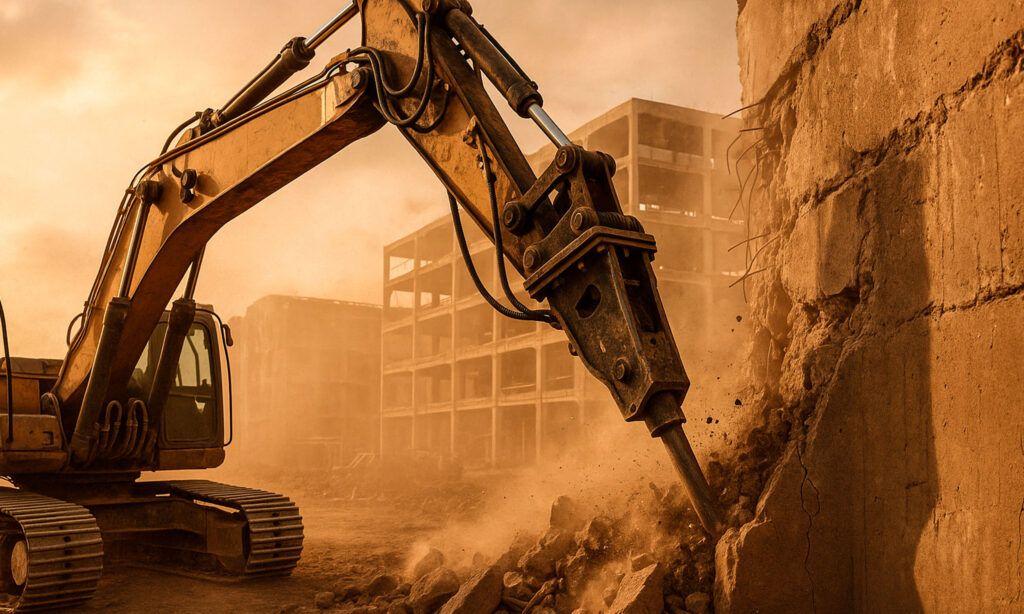
Maintaining demolition machinery is key to keeping productivity and safety up on construction sites. Demolition equipment is exposed to extreme conditions: dust, vibrations, heat, and heavy use that speeds up wear and tear. So, having a well-structured maintenance plan helps cut costs, keep things safe, and extend the life of the machinery. Proper maintenance not […]
Spare parts for hydraulic hammers: essential guide
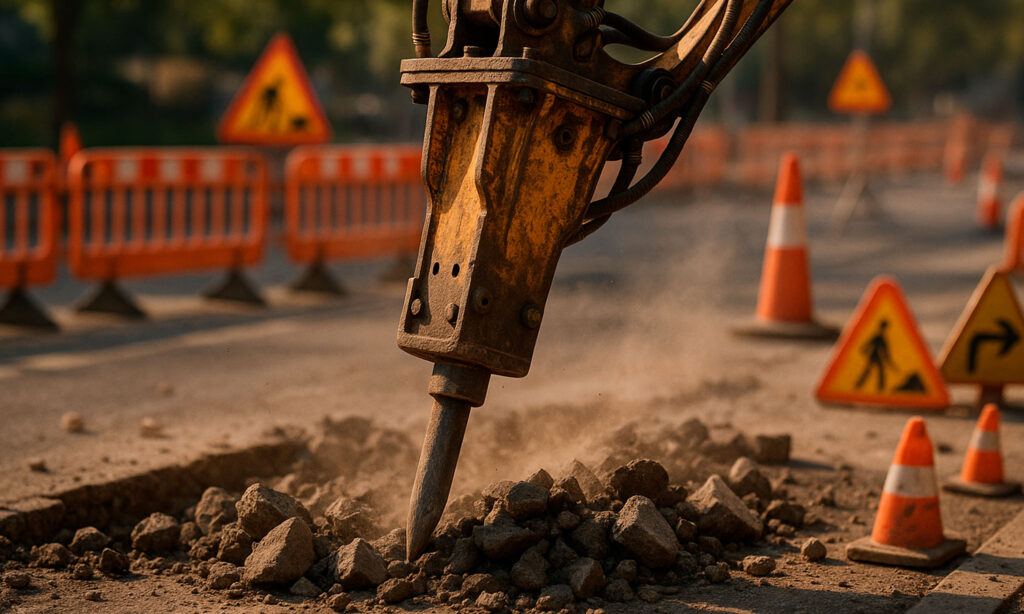
Hydraulic hammers are powerful tools used in public works construction, mining, and demolition. To maintain their performance, it is essential to choose the right spare parts and replacements. In this guide to spare parts for hydraulic hammers, we explain the main compatibilities and differences between original and compatible spare parts. If you’re wondering where to […]
Mini excavator spare parts: Practical guide to replacement parts
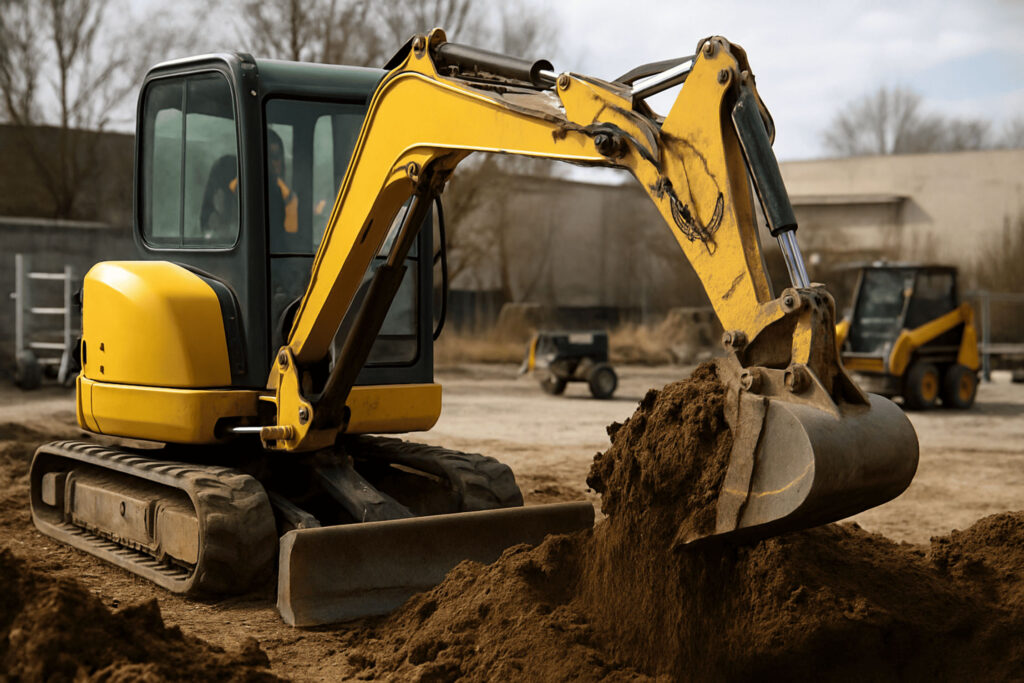
Mini excavators are essential in construction and industrial material handling. Thanks to their compact size, they are suitable for different types of work, but their intensive use causes constant wear and tear on their components. Therefore, mini excavators must be properly maintained. To ensure that the equipment operates smoothly and efficiently, it is important to […]
Excavation: types and tips for efficient work
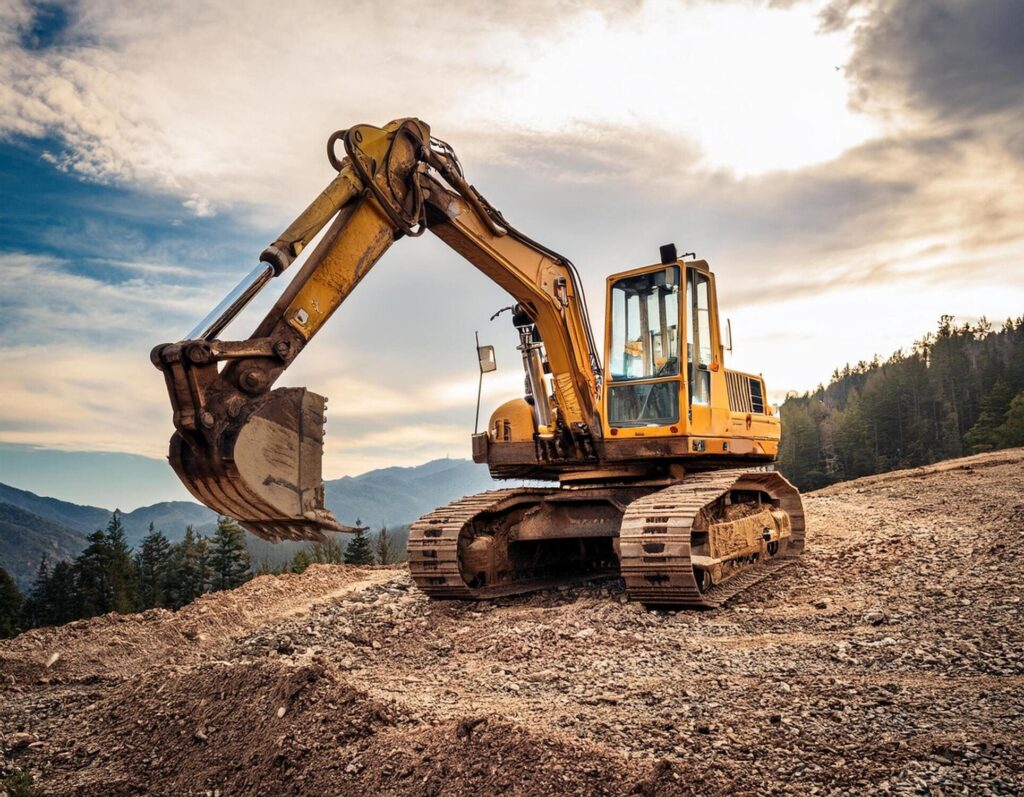
Excavation is one of the most important processes in any construction or civil engineering project. It involves a set of techniques that allow materials to be removed and moved from the ground to create the necessary space for infrastructure, foundations, tunnels, or pipelines to be built. Without this step, most projects would be unfeasible, as […]


