The hydraulic excavator is one of the most widely used pieces of construction equipment. Its versatility, power, and precision make it an indispensable tool for earthmoving, excavation, and material handling tasks.
This type of heavy machinery stands out for its ability to adapt to different environments and tasks. In this article, we explain what a hydraulic excavator is, how it works, and what its main components are. We’ll also look at the different types of hydraulic excavators and the importance of maintenance and replacement parts.
What is a hydraulic excavator and what is it used for?
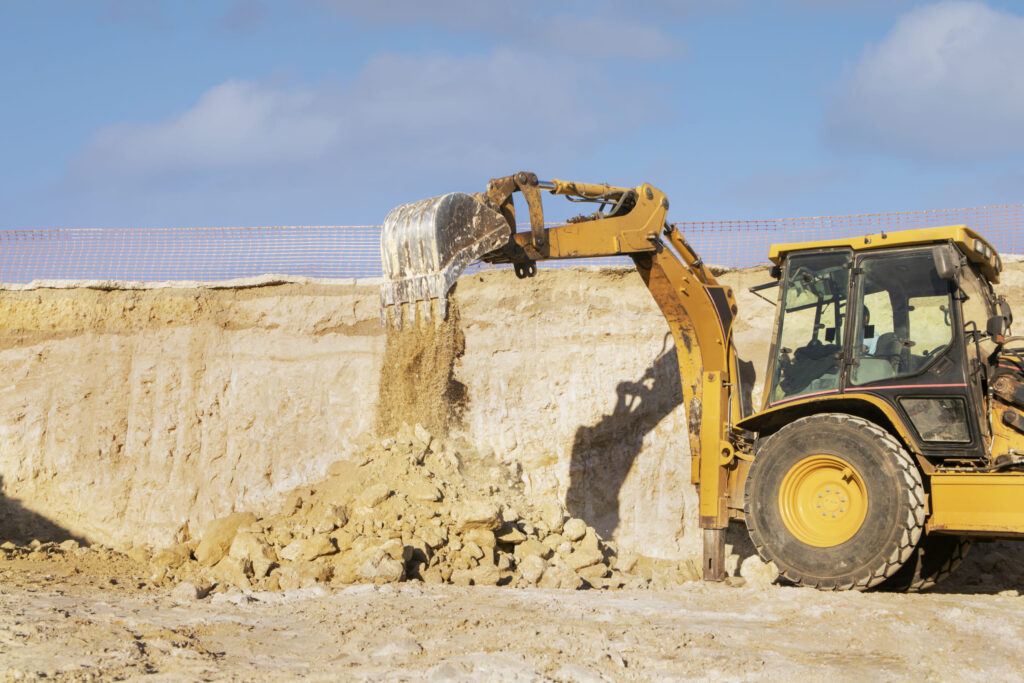
A hydraulic excavator is an excavating machine that uses a hydraulic system to generate power and movement. Thanks to this system, it can perform excavation work with great precision, even under demanding conditions.
A hydraulic excavator operates by using fluid pressure to drive the machine’s hydraulic cylinders. This hydraulic system allows the boom, stick, and bucket to be moved in a controlled and efficient manner.
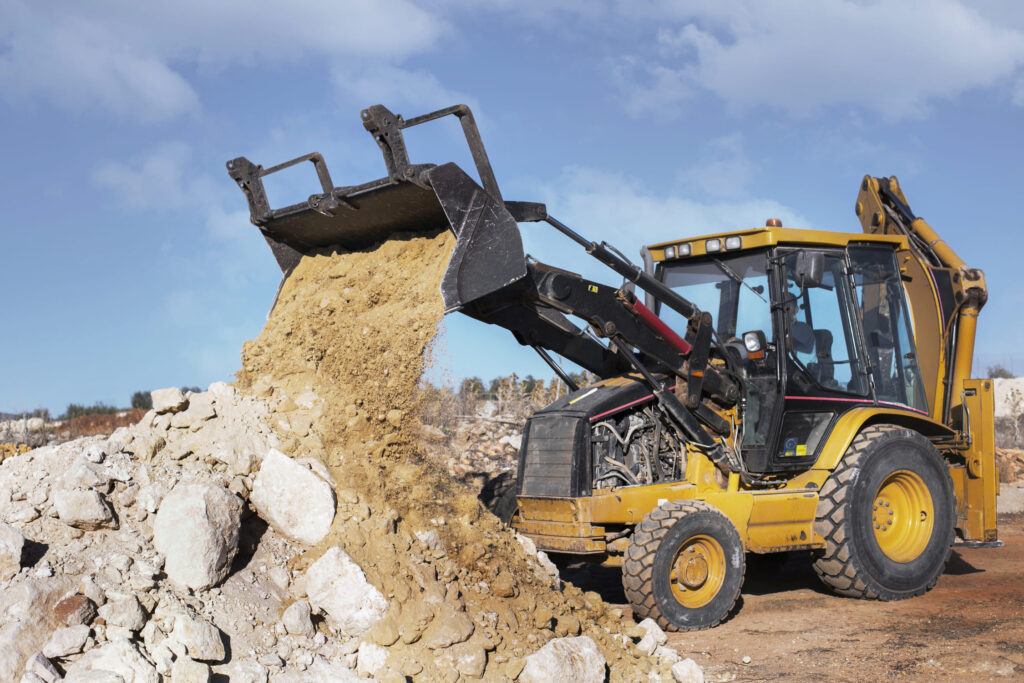
Hydraulic excavators have a wide range of applications. They are used for excavation with heavy construction equipment, earthmoving, trenching, demolition, and material handling. They are also commonly used in civil engineering, mining, and urban projects.
Parts of a hydraulic excavator
Knowing the parts of a hydraulic excavator is essential for understanding how it works and making maintenance easier.
- Structure and main components. The main components of an excavator include the cab, the chassis, and the undercarriage. The undercarriage can be either tracked or wheeled, resulting in different types of construction machinery.
- Hydraulic system. The excavator’s hydraulic system consists of hydraulic pumps, valves, and cylinders. It is responsible for converting energy into motion and is one of the machine’s most important components.
- Wear parts for excavators. With daily use, certain parts of the excavator wear out, and it’s important to replace them in a timely manner to prevent breakdowns. Among the most common are bushings, excavator bolts, hydraulic seals, bucket teeth, and screws.
- Working components. The boom, arm, and bucket are responsible for performing excavation tasks. These components are subject to heavy use and require frequent inspections.
Types of hydraulic excavators
There are different types of hydraulic excavators depending on their design and application.
- Crawler excavator. The crawler excavator offers excellent stability and is ideal for uneven terrain. It is widely used on large construction sites and for earthmoving work.
- Wheeled excavator. The wheeled excavator stands out for its mobility. It is perfect for urban environments where quick movement between work sites is required.
- Mini excavator. The mini excavator is a compact option designed for tight spaces. It is widely used on small construction sites, for renovations, and for precision work.
- Large excavators. Heavy-duty excavators are designed for demanding tasks, such as mining or large-scale excavation projects involving heavy machinery.
Choosing the right excavator depends on the type of construction project, the terrain, and the scope of work. For projects in tight spaces, a mini excavator is the best option. On the other hand, for large-scale earthmoving projects, a crawler excavator offers greater stability and performance. It is also important to consider the machine’s attachments and capacity.
Maintenance and replacement parts for hydraulic excavators
Maintaining a hydraulic excavator is essential for preventing breakdowns and extending its service life. Proper maintenance of a hydraulic excavator helps identify problems early, reduce costs, and improve the machine’s performance.
Breakdowns in hydraulic excavators are often caused by component wear or faults in the heavy machinery’s hydraulic system. For this reason, it is essential to inspect and replace parts on a regular basis.
Understanding the components of an excavator, the different types of hydraulic excavators, and how they work allows you to make the most of your machine. In addition, using high-quality replacement parts and performing proper maintenance are essential to ensuring its longevity.
At IMOP, we offer a wide variety of replacement parts for hydraulic excavators and construction machinery, tailored to the industry’s needs. We carry excavator parts compatible with various brands, including hydraulic components, seals, bolts, and wear parts.
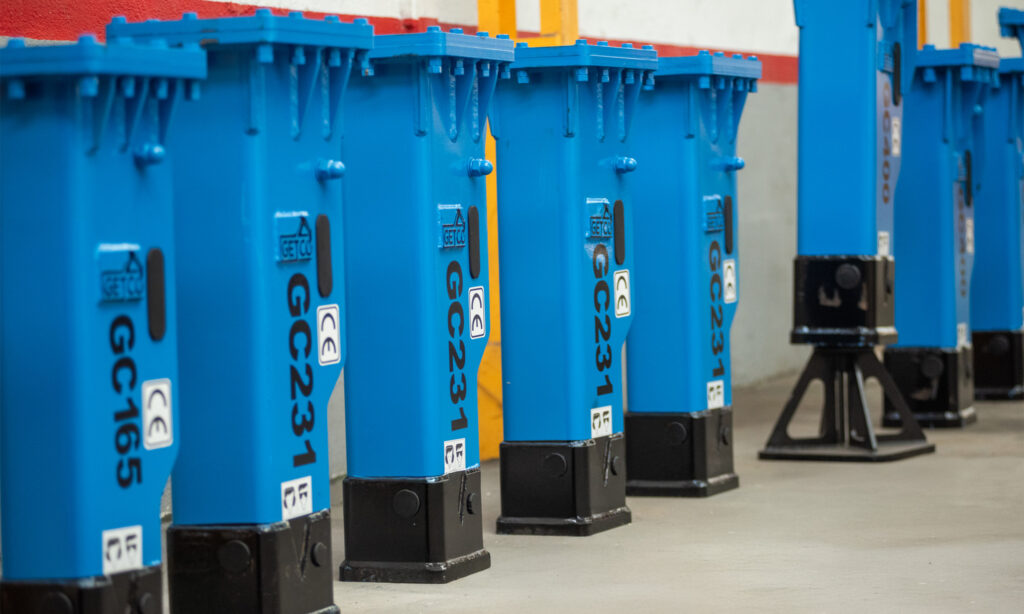
In addition, we offer spare parts for public works machinery and hydraulic hammers, providing comprehensive solutions for equipment maintenance.