The wheel loader is one of the most widely used machines on construction sites due to its ability to move large quantities of material quickly. This type of front loader is designed to work in repetitive loading and unloading cycles, making it a key machine in construction.
Understanding what a wheel loader is used for, the different types available, and how to maintain it is essential for achieving optimal performance on the job site.
What is a wheel loader and what is it used for on a construction site?
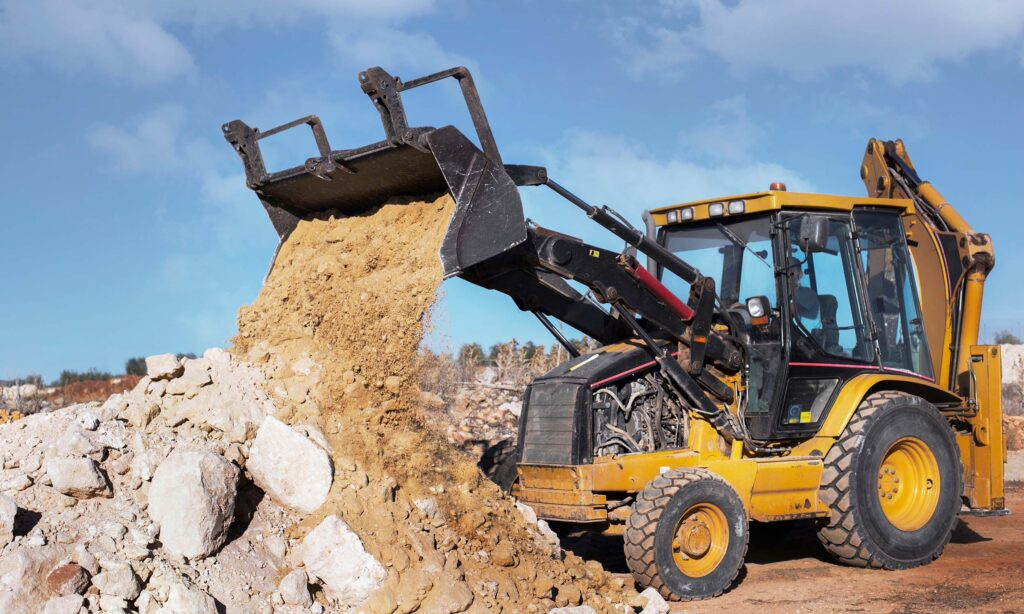
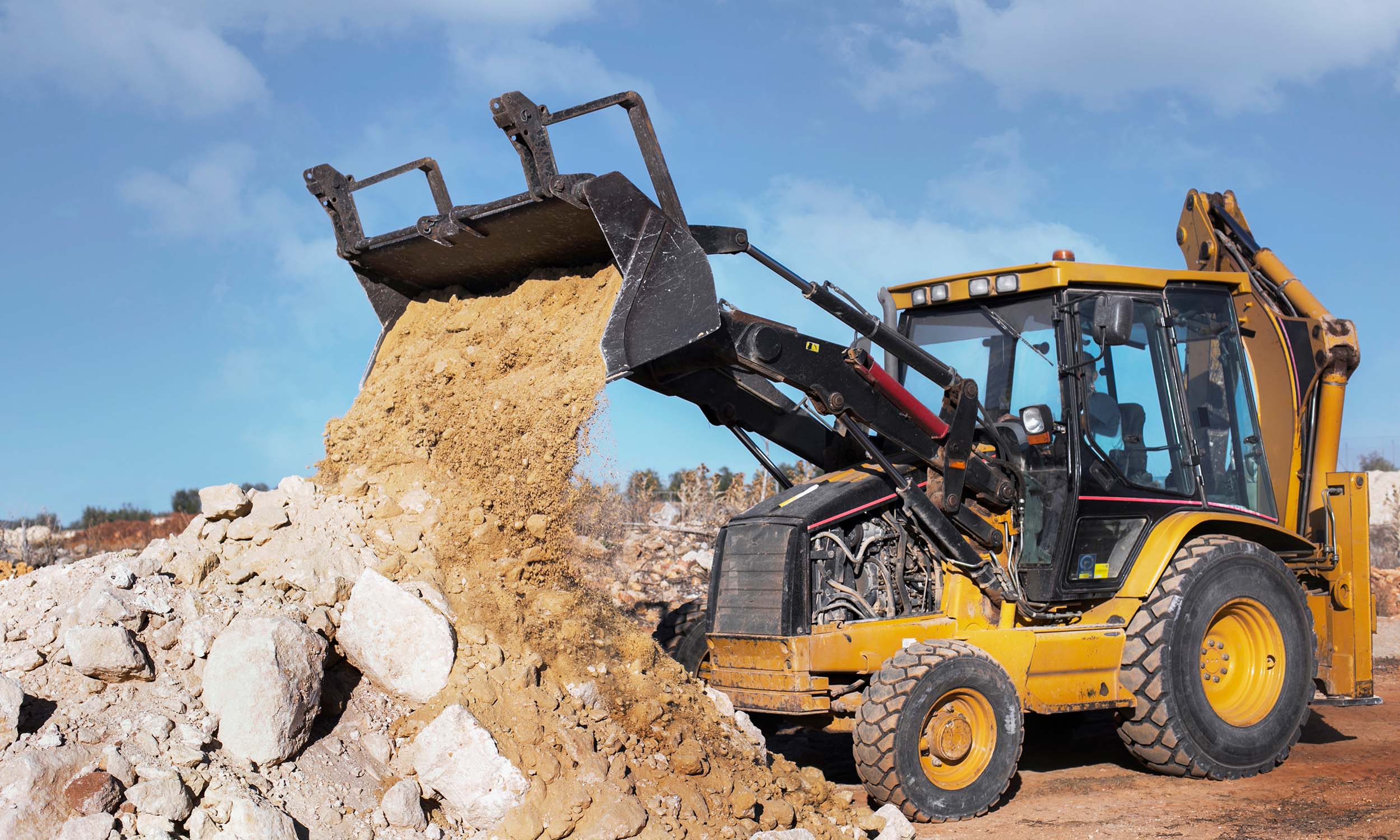
A loader is a front-loading machine designed to handle materials such as earth, rubble, or industrial products. Its main function is to collect material with a bucket or other implement and transport it short distances within the work site.
For this reason, this machine stands out for its productivity and its ability to take on a variety of tasks in demanding environments.
The main functions of the wheel loader include loading trucks, gathering materials, and short-distance transport within the construction site. It is also used for cleaning and basic leveling of the ground.
This type of front loader is commonly used in construction, civil engineering, quarries, recycling plants, and large-scale agricultural operations. In all these sectors, its strength, lifting capacity, and reliability during long working hours are highly valued.
Types of wheel loaders according to their application
Not all wheel loaders are designed for the same use. The choice depends on the type of terrain, the volume of work, and the operating environment.
- On wheels: The wheeled loader is the most widely used option in construction and civil engineering. It offers good travel speed and ease of maneuverability. Wear and tear tends to be concentrated on tires, transmission, and joints, especially when working on abrasive surfaces.
- On tracks: Tracked loaders are used on uneven terrain or terrain with low load-bearing capacity, as they provide greater traction and stability. However, this option consumes more fuel and has higher maintenance costs.
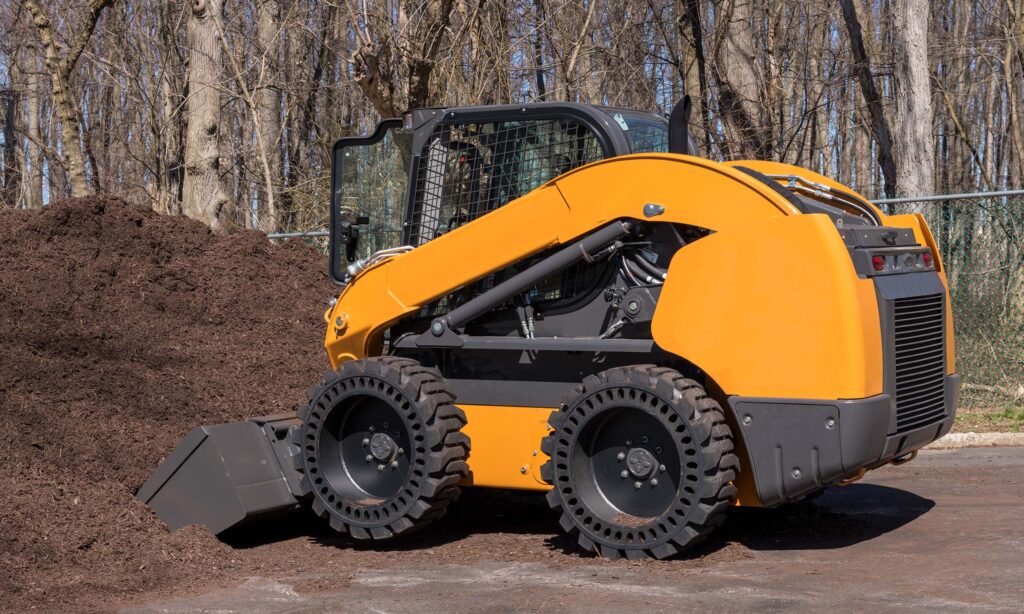
- Compact loaders: These loaders have a compact design that makes it easier to work in confined spaces. They are commonly used in urban environments and on construction sites where maneuverability is a priority. However, their load capacity is lower.
Loader attachments and accessories
The versatility of the front loader is increased by the use of different attachments, adapting the machine to different jobs. An oversized attachment can cause strain on the hydraulic system and accelerate wear on pins and joints. Therefore, it is essential to adapt each attachment to the type of work and the actual weight of the load.
Ladles: types and uses
The bucket for the wheel loader is the most common attachment. There are standard buckets, high-tipping buckets, buckets reinforced for rock, and buckets designed for light materials. A poor choice can increase wear and tear and reduce the performance of this machinery.
Hairpins, clips, and other accessories
Forks allow pallets and organized loads to be moved, while clamps are used for scrap metal, recycling, or handling bulky materials. These attachments expand their use, but also require greater operational control.
Differences between wheel loaders and other loading equipment
Although it shares functions with other machines, the wheel loader has a very specific role on construction sites.
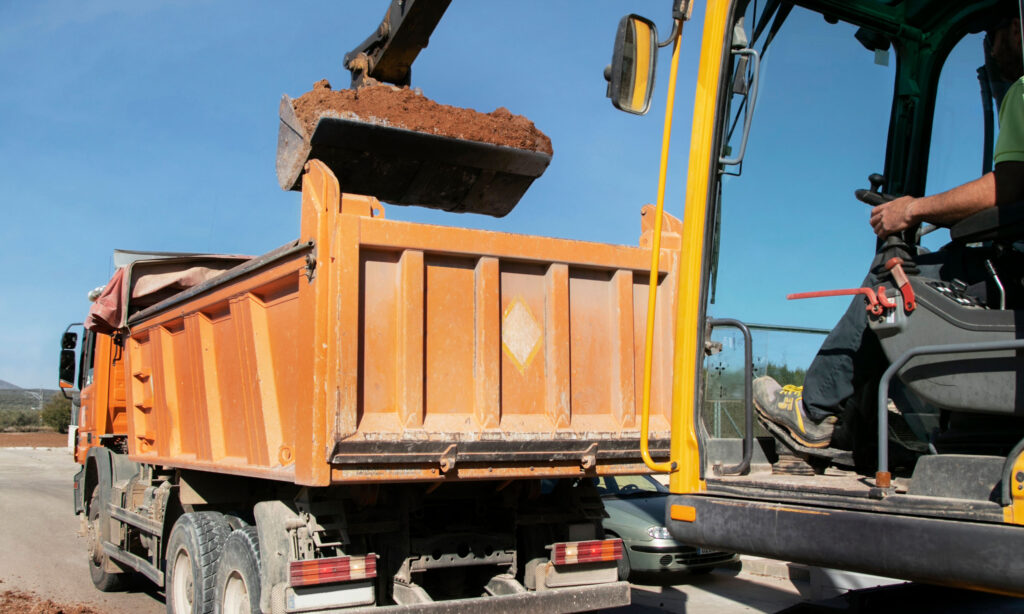
- Loader vs excavator: The difference between the two machines lies in their primary function. The excavator prioritizes precision and reach, while the front loader excels at fast cycles and continuous loading work.
- Loader vs. telehandler: The telehandler offers greater height and reach. However, the loader is more efficient when it comes to moving large volumes of material repeatedly and steadily.
- Loader vs. skid steer loader: The difference lies in power and durability. The skid steer loader is more maneuverable, but the front loader is better suited to intensive work and heavier loads.
Basic and preventive maintenance of a wheel loader
El correcto mantenimiento de la pala cargadora es clave para evitar imprevistos y prolongar su vida útil. Conviene revisar los niveles, el estado de los neumáticos y orugas, las holguras en las articulaciones, el sistema hidráulico, etc. Estas revisiones reducen el desgaste de la pala cargadora y previenen averías graves.
Abnormal noises, oil leaks, lack of power, or irregular movements often indicate mechanical problems. Detecting them early reduces maintenance costs.
When deciding whether to repair or replace a part, it is important to know the overall condition of the equipment and its actual use on site. Replacing worn parts is usually more cost-effective than repeated spot repairs. It also improves safety and reduces downtime.
A well-maintained machine offers greater productivity, lower consumption, and a longer service life, directly influencing the profitability of the project.
How to choose the right loader
Before deciding which wheel loader to choose, it is essential to analyze the type of terrain, the material to be handled, and the frequency of use. Key factors to consider before making a decision include power, lifting capacity, attachment compatibility, and ease of maintenance. These are determining factors for any industrial wheel loader.
However, it is important not to make the mistake of oversizing the machine or underestimating maintenance. These are common mistakes that affect performance and increase costs in the medium term.
Do you need a loader or spare parts for your work? Choosing the right loader or attachments is key to maintaining optimal performance on site. At IMOP, you will find the attachments and spare parts you need for construction, civil engineering, and industrial work, with technical advice based on the type of terrain and application.
Browse our catalog of implements and spare parts and find the most suitable solution for your project.