The proper operation of public works machinery depends largely on the condition of its hydraulic system. Within this system, the hydraulic pump is a key component, as it is responsible for generating the power needed to move the machinery.
Proper maintenance prevents breakdowns. It also extends the equipment’s service life, reduces costs, and improves performance on the job site. In this article, we explain how it works, what its components are, and what you need to keep in mind when maintaining construction machinery.
What is a hydraulic pump?
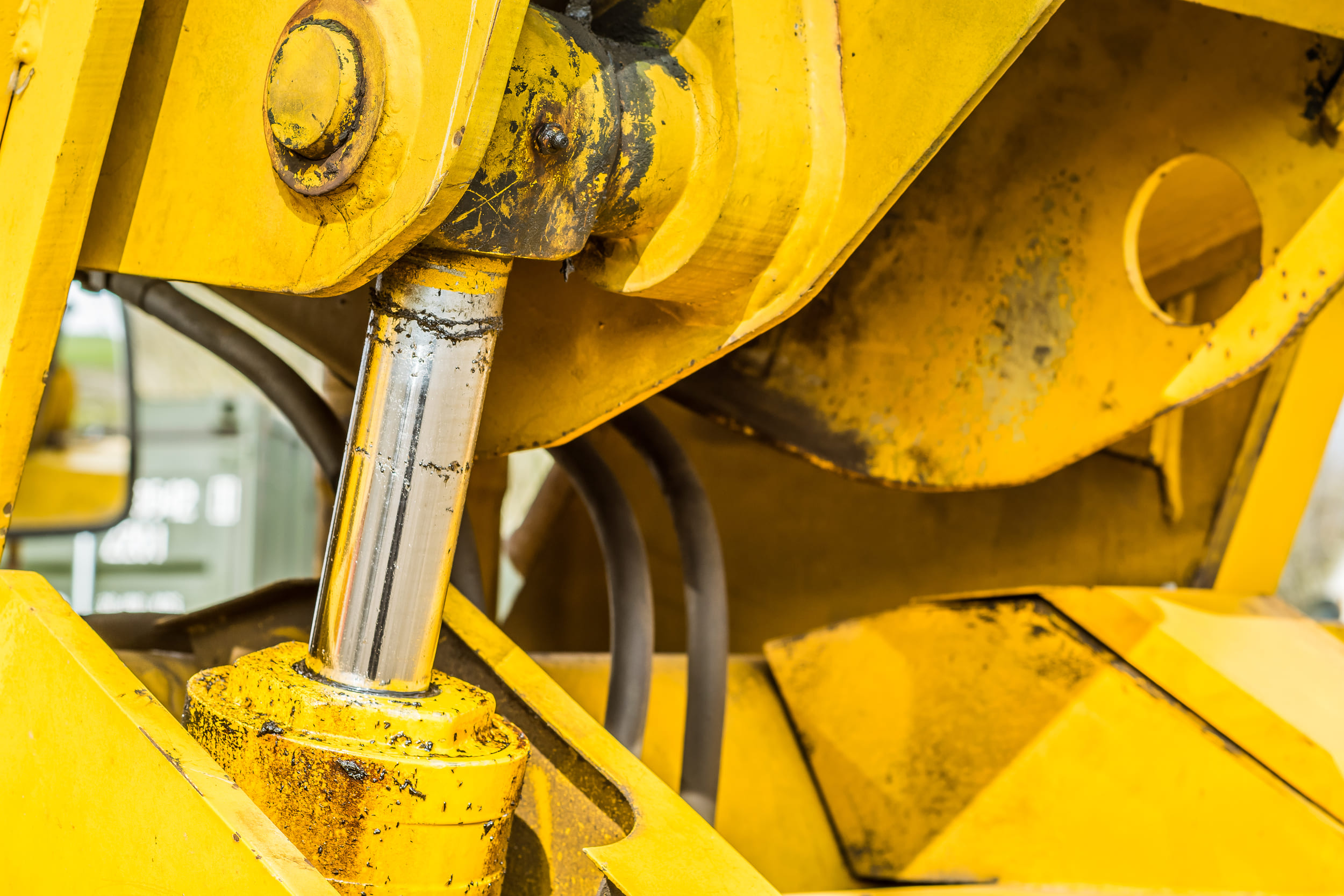
A hydraulic pump is a device that converts mechanical energy into hydraulic energy. To do this, it generates a flow of pressurized oil within the machinery’s hydraulic circuit. This flow drives various components of the machinery’s hydraulic system.
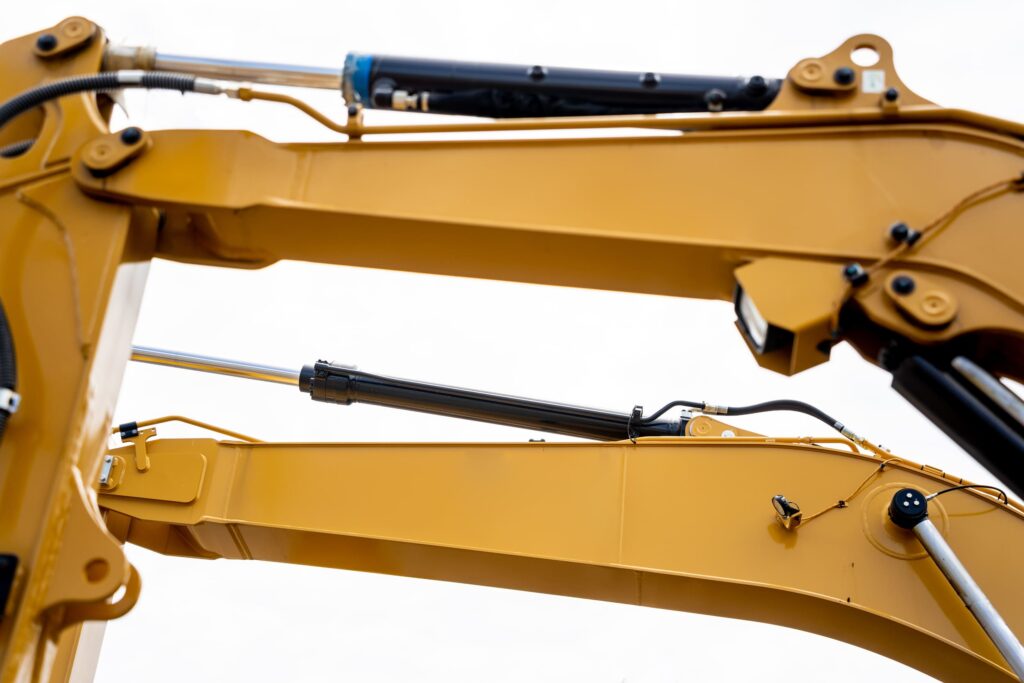
The hydraulic pump in hydraulic excavators, backhoes, or loaders is essential for moving the arms, buckets, and lifting systems. Without a hydraulic pump in good working order, the machinery loses power, precision, and operational capacity.
How a hydraulic pump works in machinery
A hydraulic pump works by moving a fluid (hydraulic oil) through a closed circuit. This flow of fluid generates hydraulic pressure, which is what drives the various mechanisms of the equipment.
Hydraulic operating principle
The process is simple: the pump draws oil from the reservoir and forces it under pressure into the hydraulic circuit. Once there, the fluid drives the cylinders and hydraulic motors—or even an electric motor in some systems.
The oil then returns to the reservoir to restart the cycle within the hydraulic circuits. This system allows for high-power, precise operation, maintaining adequate pressure even under demanding conditions.
Types of hydraulic pumps
There are several types of hydraulic pumps used in construction machinery. Each type directly affects the equipment’s performance:
- Gear hydraulic pump: Gear hydraulic pumps are the most common type and are known for their simplicity, reliability, and low cost.
- Vane hydraulic pump: These, on the other hand, operate more quietly and smoothly, although they require more maintenance.Piston hydraulic pump: These components offer greater efficiency and operate at higher pressures. They are commonly found in heavy machinery.
- Vane hydraulic pump: These, on the other hand, operate more quietly and smoothly, although they require more maintenance.
Components of a hydraulic pump
Understanding the components of a hydraulic pump is key to understanding how to maintain it and detect potential malfunctions. The main components include: the housing, shafts, pistons or gears, valves, seals, and gaskets.
Each of these parts is part of the pump’s internal components. Wear and tear on them can cause internal leaks, a loss of performance, or malfunctions in the system. For this reason, it is important to periodically check their condition and replace parts as needed to prevent further damage to the machinery.
Common problems with hydraulic pumps
Detecting hydraulic pump failures early can prevent serious and costly problems with heavy machinery. The main failures we encounter in hydraulic pumps are:
- Loss of hydraulic pressure: This is one of the most common faults. It is usually caused by internal wear or circuit malfunctions.
- Leaks in the hydraulic system: Leaks can occur due to worn seals or connections.
- Hydraulic overheating: Excessive temperatures are usually caused by a lack of maintenance or poor-quality oil.
- Noise or vibrations: These may indicate air in the system or problems with internal components.
These problems with the machinery’s hydraulic system directly affect performance and can lead to an urgent need to repair the hydraulic pump if action is not taken in time.
Maintenance of the hydraulic pump
Maintaining the hydraulic pump is essential to ensuring that the machinery operates properly. Performing preventive maintenance through regular inspections allows problems to be detected before they turn into major breakdowns.
It is essential to monitor the hydraulic oil in the machinery; it must be kept clean, in good condition, and at the proper level, as it is a key component of the system. It is also important to replace the hydraulic filters, as they prevent dirt and particles from damaging the pump, so they must be changed regularly.
Finally, monitoring the system’s temperature and pressure helps detect potential malfunctions and ensures that the machinery operates properly.
How to Extend the Service Life of a Hydraulic Pump
Following best practices for the use and maintenance of machinery can make all the difference. Using high-quality hydraulic oil, avoiding overloading, performing regular maintenance, and using compatible, reliable hydraulic replacement parts are key factors.
A well-maintained hydraulic pump can operate for thousands of hours without any problems. For this reason, it is advisable to use the right hydraulic components to keep the system in top condition for as long as possible.
A steady decline in performance, repeated breakdowns, high repair costs, or irreversible internal wear may indicate that it is time to replace a hydraulic pump. In some cases, repair is not sufficient, and it is necessary to replace the part with a new one or install a suitable replacement to ensure the equipment operates properly.
Hydraulic replacement parts for machinery
Having high-quality hydraulic replacement parts for machinery is key to maintaining the system’s performance. Therefore, it is important to choose compatible and reliable parts to avoid problems and keep the system in optimal condition at all times.
At IMOP, we offer a wide range of replacement parts and components for public works machinery. These parts are designed to ensure the proper functioning of the hydraulic system and the machine as a whole. Using the right, compatible components is essential for maintaining performance and preventing long-term issues.
If you need advice or are looking for a specific replacement part, our team can help you find the best solution.